
Happenings
News
20 Jul - 31 Jul, 2026
BOOT CAMP for MA Clinical Psychology And PDCP
 Share
Share


 Print
Print
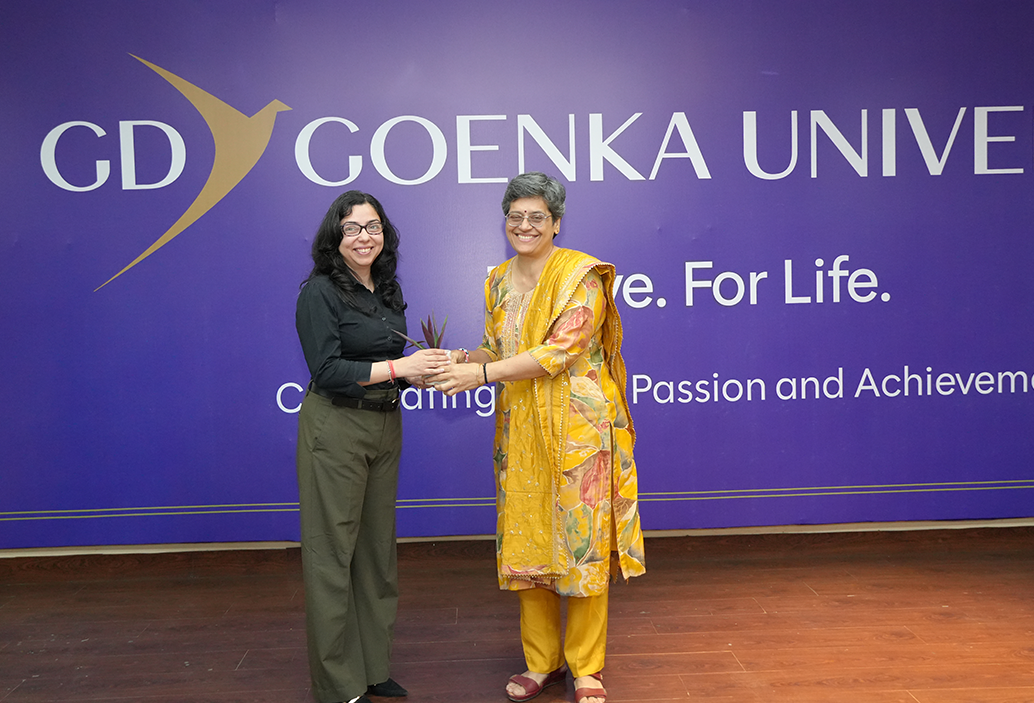
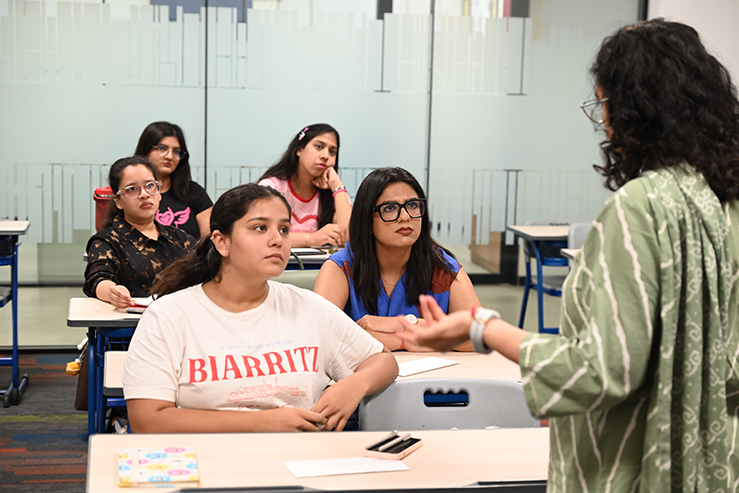
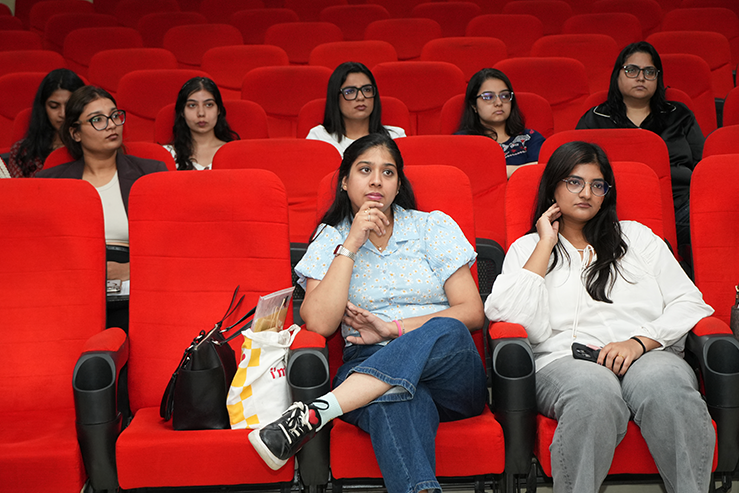
The Department of Clinical Psychology, School of Liberal Arts (SoLA), GD Goenka University, organized a ten-day Clinical Psychology Bootcamp from 20 July to 31 July 2026. The bootcamp was designed to provide incoming students of Clinical Psychology with an immersive orientation to the profession through lectures, interactive activities, field visits, ethical discussions, and practical exposure to clinical settings. The programme successfully bridged the gap between theoretical knowledge and professional practice while fostering ethical sensitivity, self-awareness, and clinical competence.
Day 1: Orientation and Professional Identity (20 July 2026)
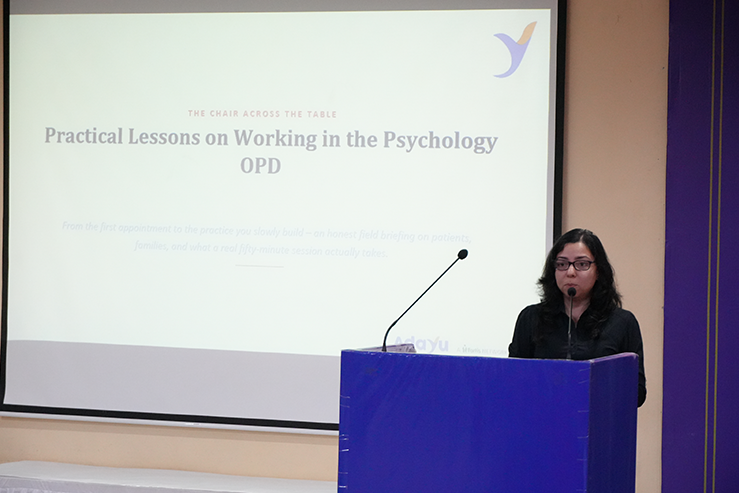
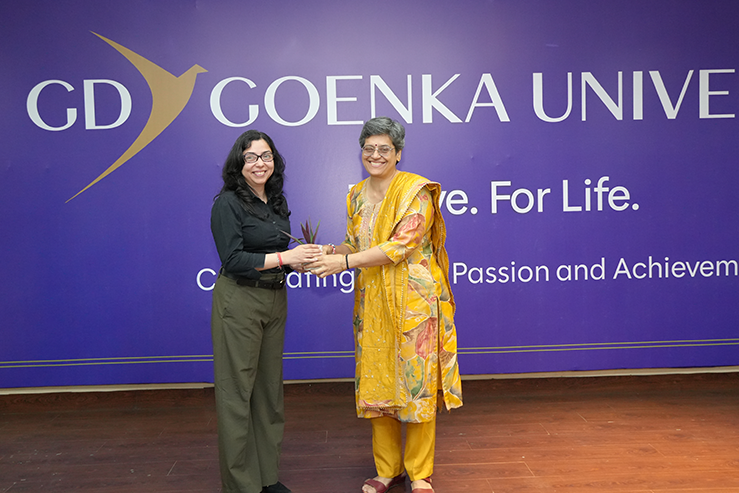
The bootcamp commenced with registration and a warm welcome by Dr. Sangeeta Sharma, setting a positive tone for the programme. The highlight of the inaugural day was the guest lecture by Ms. Kamna Chhibber from Fortis Healthcare on "The Person Across the Chair." The session emphasized the significance of empathy, active listening, compassion, and understanding the client's lived experiences rather than merely focusing on symptoms. The Dean Academic also addressed the participants, motivating them to uphold professional ethics and strive for excellence in clinical psychology. The day concluded with a formal vote of thanks, leaving participants inspired about their professional journey.
Day 2: Understanding the Profession (21 July 2026)
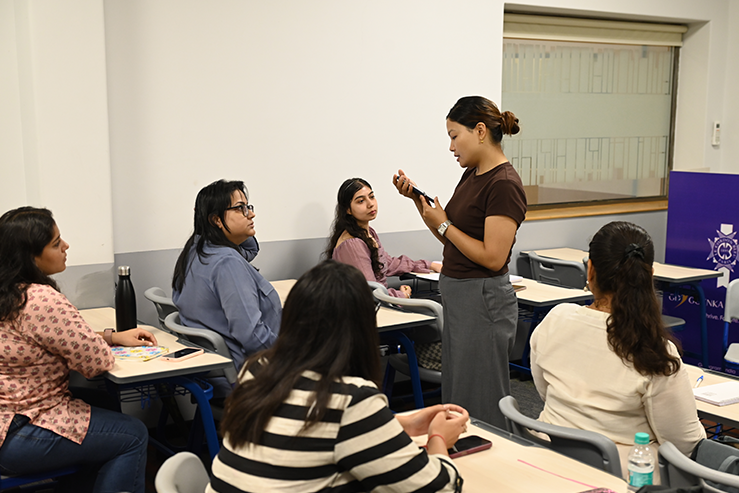
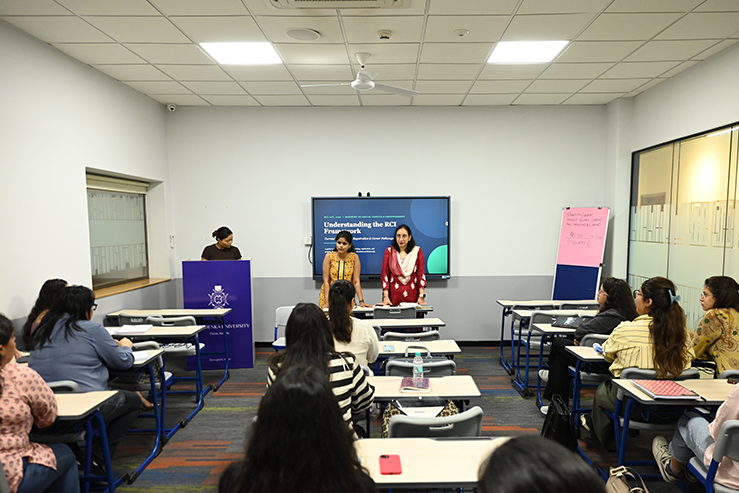
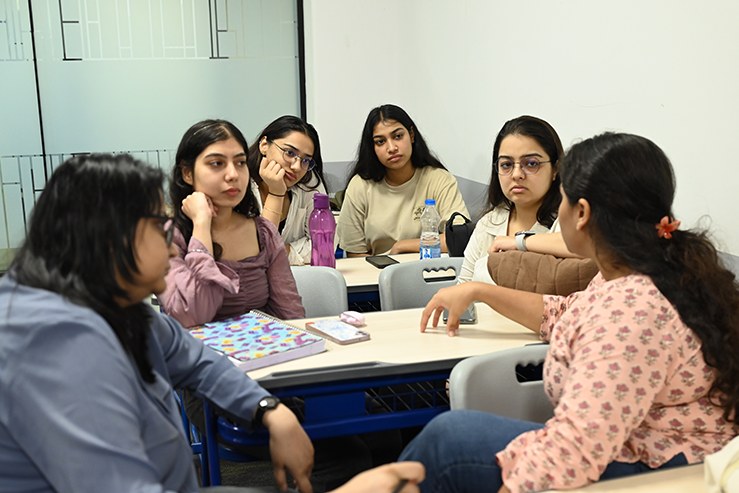
The second day focused on helping students understand the professional structure of clinical psychology in India. Ms. Mercy Tingzouhoih explained the Rehabilitation Council of India (RCI) framework, curriculum requirements, registration procedures, and career opportunities available after professional training. An engaging activity titled "Name that Bias" enabled students to identify common cognitive biases through real-life scenarios, encouraging critical thinking and self-reflection. The day concluded with a lively debate on the need for different branches and specializations within psychology, encouraging students to appreciate diverse perspectives in the discipline.
Day 3: Developing Clinical Thinking (22 July 2026)
The third day emphasized the development of a clinician's mindset. Participants began by writing a reflective letter to their future clinician selves, helping them articulate their aspirations and professional values. This was followed by a Mental Status Examination (MSE) demonstration conducted by senior clinical trainees, offering practical insight into observing and documenting patients' behaviour systematically. The session "Write Like a Clinician" trained participants in professional clinical documentation and report writing, highlighting the importance of objective, accurate, and ethical recording in psychological practice.
Day 4: Human Values and Ethics (23 July 2026)
Ethics and professional responsibility formed the central theme of the fourth day. Dr. Sangeeta Sharma delivered an insightful lecture on Human Values and Ethical Decision Making, discussing confidentiality, professional integrity, informed consent, and ethical dilemmas commonly encountered in clinical practice. Students later participated in the Case Cracker activity, where they analysed psychological cases collaboratively and proposed ethical solutions. The day concluded with The Interview Challenge, an interactive activity designed to strengthen interviewing skills, rapport building, and effective communication with clients.
Day 5: Learning Disabilities and Case Analysis (24 July 2026)
The fifth day introduced participants to the assessment and understanding of Specific Learning Disabilities (SLD) through a guest lecture by Dr. Geetika. The session provided valuable insights into identifying learning difficulties and understanding appropriate intervention strategies. This was followed by the screening of a clinical case-based film, which encouraged students to observe symptoms critically and discuss diagnostic formulations in groups. The day concluded with a Case History Reconstruction activity, enabling participants to organise fragmented clinical information into a structured and meaningful case history.
Day 6: Case Presentation and Community Exposure (27 July 2026)
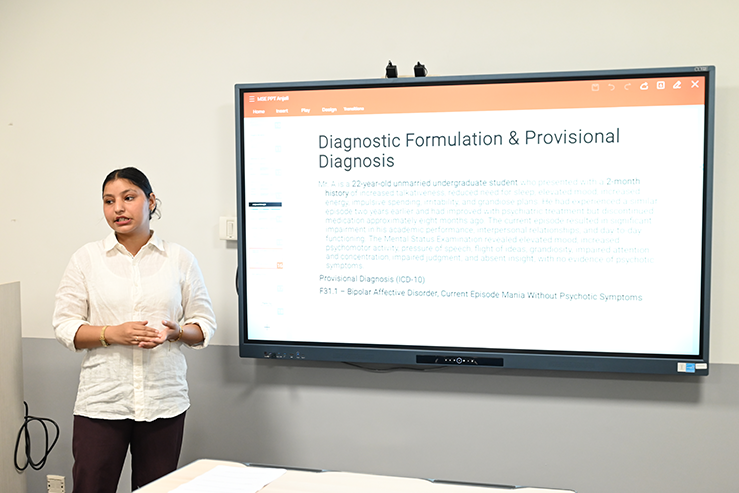
The sixth day began with a detailed case presentation by current clinical trainee Shagun, allowing participants to understand the process of psychological assessment, diagnosis, and treatment planning. Subsequently, students visited Khushboo, where they observed psychological services in a real-world setting. The field visit provided valuable exposure to community-based mental health care and helped participants appreciate the practical challenges and responsibilities involved in delivering psychological services outside traditional hospital settings.
Day 7: Ethical Challenges and Hospital Visit (28 July 2026)
The seventh day featured an engaging guest lecture by Ms. Janvi on ethical dilemmas in clinical psychology. Through case vignettes, participants explored complex issues such as confidentiality, dual relationships, and mandatory reporting, learning how ethical principles guide professional decision-making. Later, students visited Fortis Healthcare, where they gained first-hand exposure to multidisciplinary mental health services. The hospital visit allowed participants to observe how psychologists collaborate with psychiatrists and other healthcare professionals in clinical settings.
Day 8: Psychotherapy and Wellness Centre Visit (29 July 2026)
On the eighth day, Ms. Vidisha Rai introduced participants to the basic tools used in psychotherapy, familiarising them with essential therapeutic skills and intervention techniques employed by mental health professionals. The lecture highlighted the importance of therapeutic alliance, communication, and evidence-based interventions. Students later visited Adayu Wellness, where they observed holistic approaches to mental healthcare, gaining insight into integrated models of psychological well-being and therapeutic practice.
Days 9 and 10: VARTAH 7.0 (30–31 July 2026)
The final two days of the bootcamp were dedicated to VARTAH 7.0 a full-day academic event that provided participants with opportunities for dialogue, reflection, collaborative learning, and professional interaction. The sessions encouraged students to consolidate the knowledge gained throughout the bootcamp, engage in meaningful discussions, and interact with peers and experts. VARTAH 7.0 served as a fitting conclusion to the programme by reinforcing the importance of continuous learning, collaboration, and reflective practice in clinical psychology.
Conclusion
The Clinical Psychology Bootcamp 2026 proved to be a comprehensive and enriching learning experience for aspiring mental health professionals. Through expert lectures, practical demonstrations, experiential activities, ethical discussions, and field visits, participants developed a deeper understanding of clinical psychology as both a science and a helping profession. The programme successfully nurtured professional identity, enhanced critical thinking, strengthened ethical awareness, and provided meaningful exposure to real-world clinical practice. Overall, the bootcamp laid a strong foundation for the participants' future academic and professional journey in clinical psychology.





 About Us