Home›Sustainability›SDG 11: Sustainable Cities and Communities

SDG 11: Sustainable Cities and Communities

Sustainable Development Goal 11

Sustainable Cities and Communities

Make cities and human settlements inclusive, safe, resilient and sustainable.

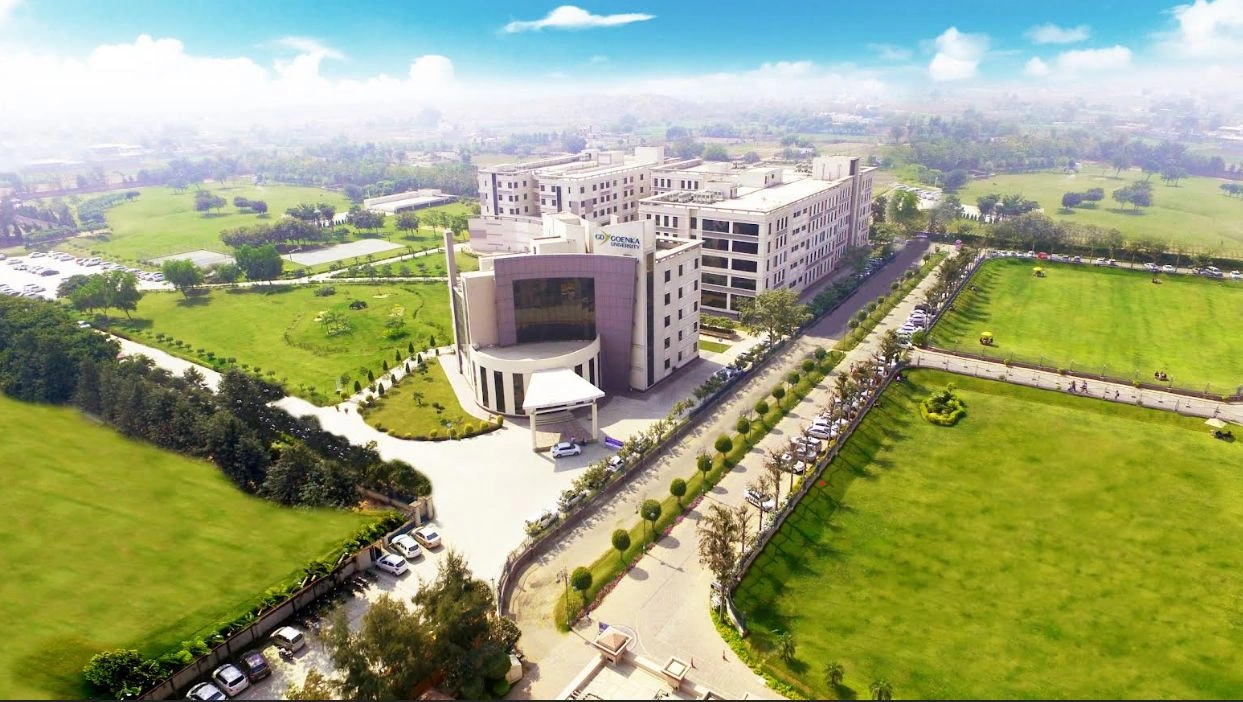
Our campus sits on Sohna Road, at the edge where Gurugram meets the villages of the Aravalli foothills. We treat it as a shared place. Farmers come here for the Krishi Mela, school children use our laboratories, local workers earn industry certificates in our classrooms, and any registered visitor can sit and read in our library at no cost.

We also try to run the campus the way a good town should be run: people walk rather than drive, buses run on CNG, waste is sorted at source and water is treated and used again. The campus holds LEED Platinum certification for its operations.

This page sets out our work under each Times Higher Education SDG 11 indicator for 2025. Each section links to the public document behind it.
LEED PlatinumLEED v4.1 O+M: Existing Buildings
Freepublic use of library, buildings and open spaces
32student clubs staging public performances
~40%of students and staff commute by carpool
10adopted villages around Sohna
57publications on cities, mobility, water and heritage

Our approach

One open campus, eight schools, one set of rules

Access to the University's spaces is governed by a single document, the Guidelines for Access of University Resources, approved by the Registrar. It covers buildings, the library, exhibition spaces, green spaces, laboratories, health, sports and agricultural facilities, and states that educational visits are free. Read the guidelines in full or plan a visit. Our Environment and Sustainability Policy, Net Zero Commitment and Sustainability Strategy 2026–2030 set the rules for how the campus itself is run.

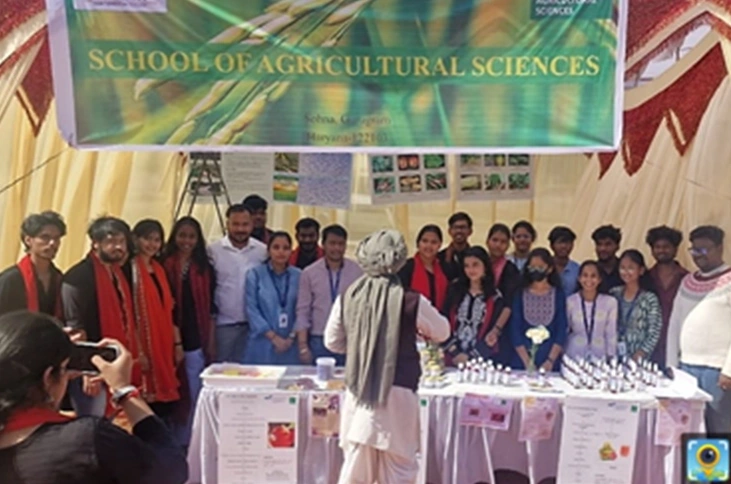
Farmers and exhibitors at the District Level Krishi Mela held on the University campus

A campus the community uses

In 2025 our buildings and grounds hosted farmers at the District Level Krishi Mela, school counsellors at the VARTAH summit, factory staff at fire-safety training, masons and electricians on industry skill courses, and school children in our labs. The Legal Aid Clinic at Gate No. 3 and the Physiotherapy OPD serve residents of Sohna every week.

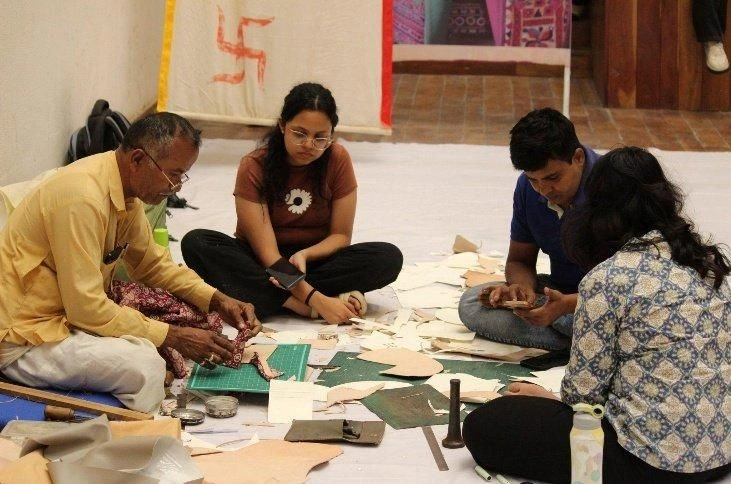
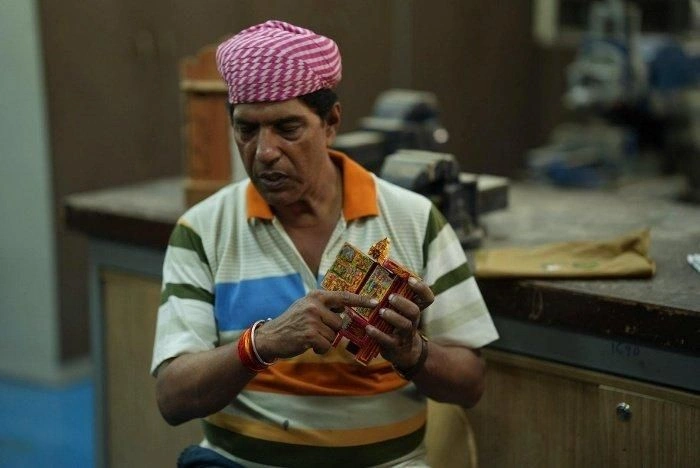
Students sitting with artisans learning a traditional craft at Shilptaru

Keeping heritage alive

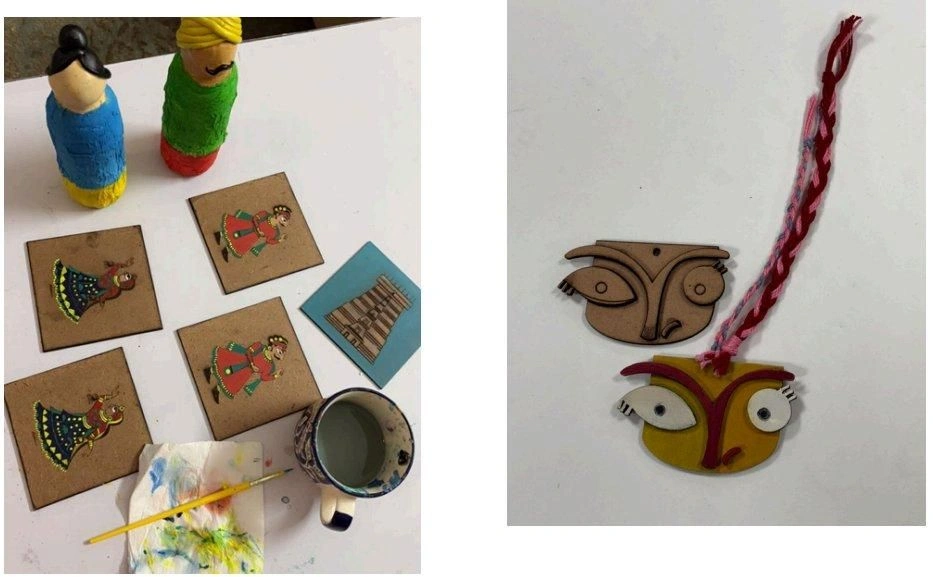
The UID School of Design brings artisans to campus and takes students to craft clusters to learn and record techniques such as Bandhani, Rogan and Ajrakh. Students perform Haryanvi folk forms every Haryana Day, and design courses work with refugees and other displaced people.

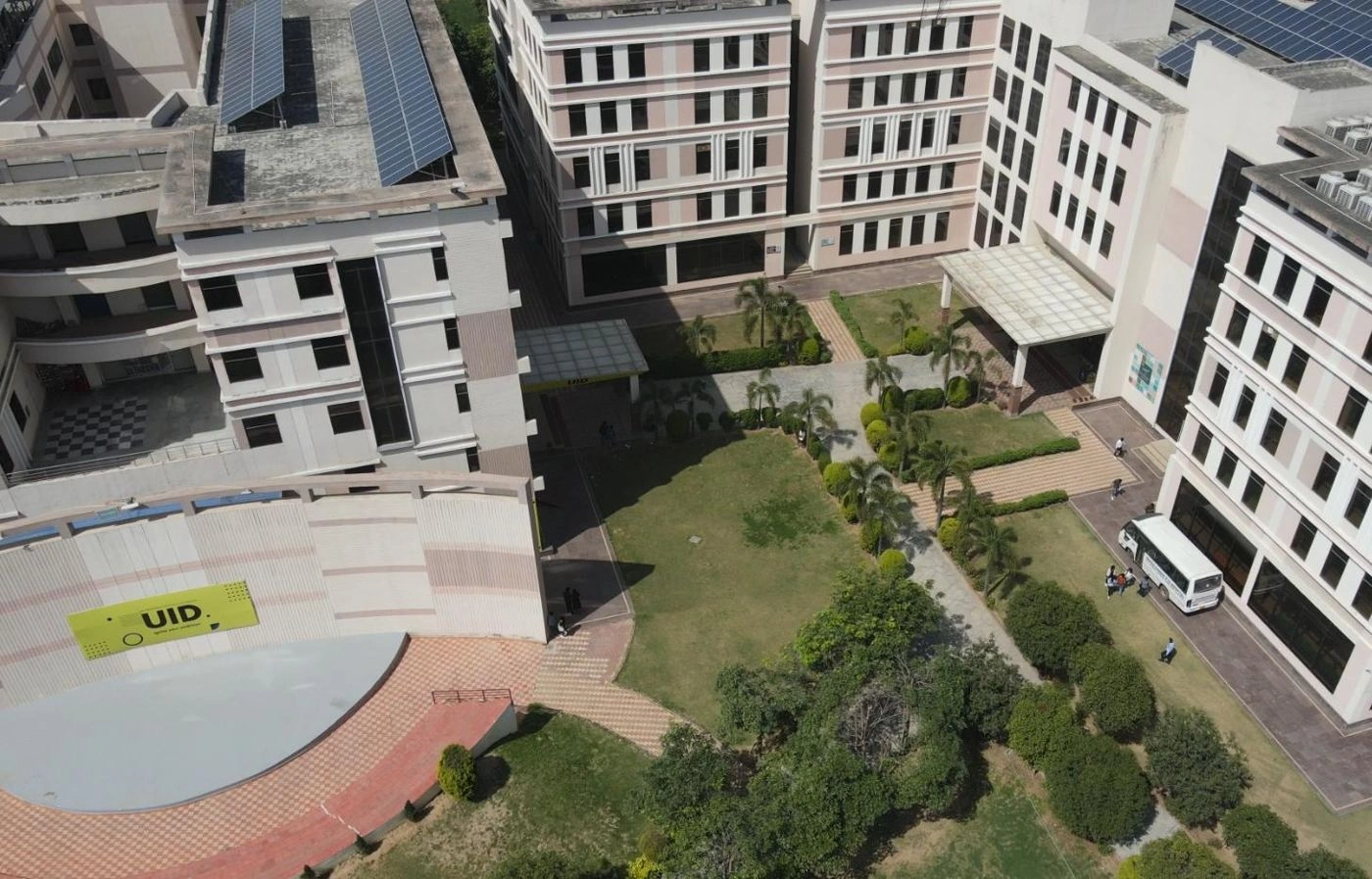
Rooftop solar panels on campus buildings surrounded by green landscape

Running the campus like a good town

Walkways link every block and vehicles are kept away from classrooms and hostels. Rooftop solar, LED lighting, rainwater harvesting, two sewage treatment plants and over 1,200 segregation bins cut our footprint. Staff housing near the campus and CNG buses keep journeys short and clean.

Indicator 11.1

Research on sustainable cities and communities

57 publications by GDGU authors on urban mobility, smart cities, water, waste, climate resilience, housing and heritage.
pdf
SDG 11 Annual Report with publication list
pdf

Our faculty publish on the problems Gurugram lives with every day. Examples include a fire-hazard risk model for Indian city cores in Land Use Policy, a framework for urban mobility strategies with a digital carbon footprint, climate-change effects on the Upper Yamuna basin, pedestrian quality of Gurgaon streets, senior housing in India, and authenticity and sustainability in living heritage museums.

Eight Schools, One Vision

  • Environmental Science for all: a compulsory course for every undergraduate, covering ecology, climate change, pollution control, biodiversity and resource management.
  • Design and engineering: UID School of Design works with Civil and Energy Engineering on sustainable materials, resource-efficient and inclusive building design, and energy efficiency.
  • Safety and resilience: the Centre of Excellence in Occupational Health, Safety, Fire & Environment trains students and industry in fire safety, disaster management and emergency readiness on its Fire Drill Ground.
  • Sustainable food systems: the School of Agricultural Sciences runs hydroponics, vermiculture, biogas, organic fertilisers, mushroom cultivation, beekeeping and horticulture units that farmers also visit.
  • Global learning: partnerships, semester exchanges such as Politecnico di Milano, internships and summer schools bring international approaches to sustainable cities onto campus.
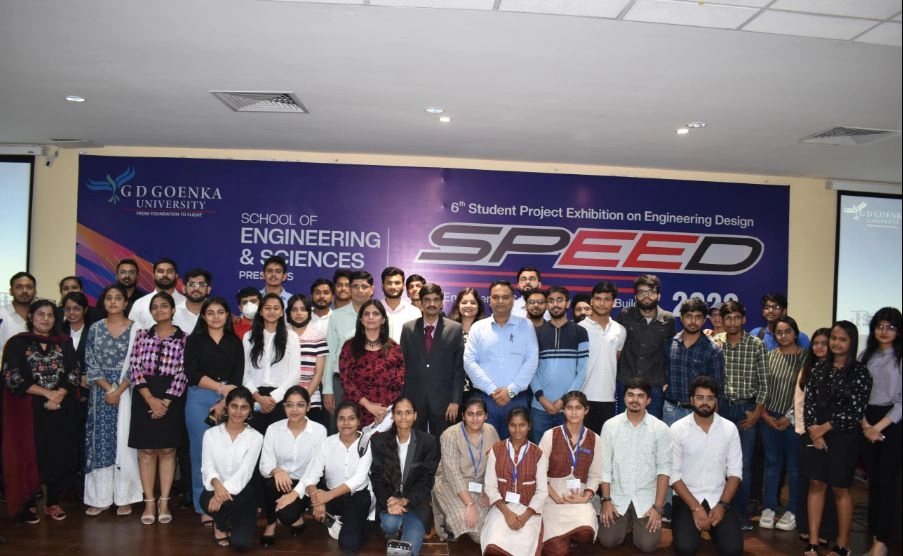
Students and faculty at a School of Engineering and Sciences project exhibition
Student project exhibition, School of Engineering & Sciences.

Indicator 11.2.1

Public access to buildings

Free access to our significant buildings for anyone visiting for an educational, cultural or community purpose. No fee is charged for educational visits.
pdf
11.2.1 Public access to buildings
pdf
Access guidelines, clause 5
pdf

Visitors give their details with a photo ID, in advance or at the gate, and are issued a free visitor ID card; for laboratories a member of staff goes with them. The auditorium, seminar halls, library, labs, Legal Aid Clinic and GD Goenka Memorial Health & Wellness Centre are all used by people from outside the University.

  • Farmers: about 50 farmers and farm women at the District Level Krishi Mela with the Block Development Office, Sohna (8 March 2025).
  • Schools: government-school and GD Goenka World School students in our auditorium, Aerospace and Physics labs and Industry 4.0 centre.
  • Workers: electricians, fabricators, masons and contractors trained with Havells, JSW, JSP and Crompton; Donaldson India staff on our Fire Drill Ground.
  • Professionals: school counsellors at VARTAH 5.0 with the Fortis Mental Health Programme (25–26 July 2025).
  • Residents: free legal advice at the Legal Aid Clinic and treatment at the Physiotherapy OPD.
Government-school students seated in the University auditorium
School students in the auditorium.
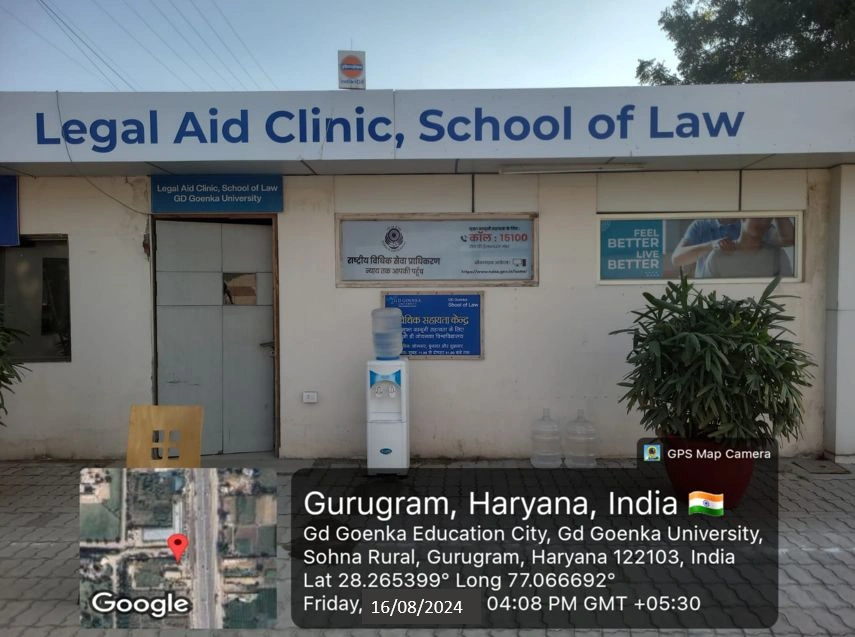
Legal Aid Clinic building of the School of Law near Gate 3
Legal Aid Clinic, near Gate No. 3.
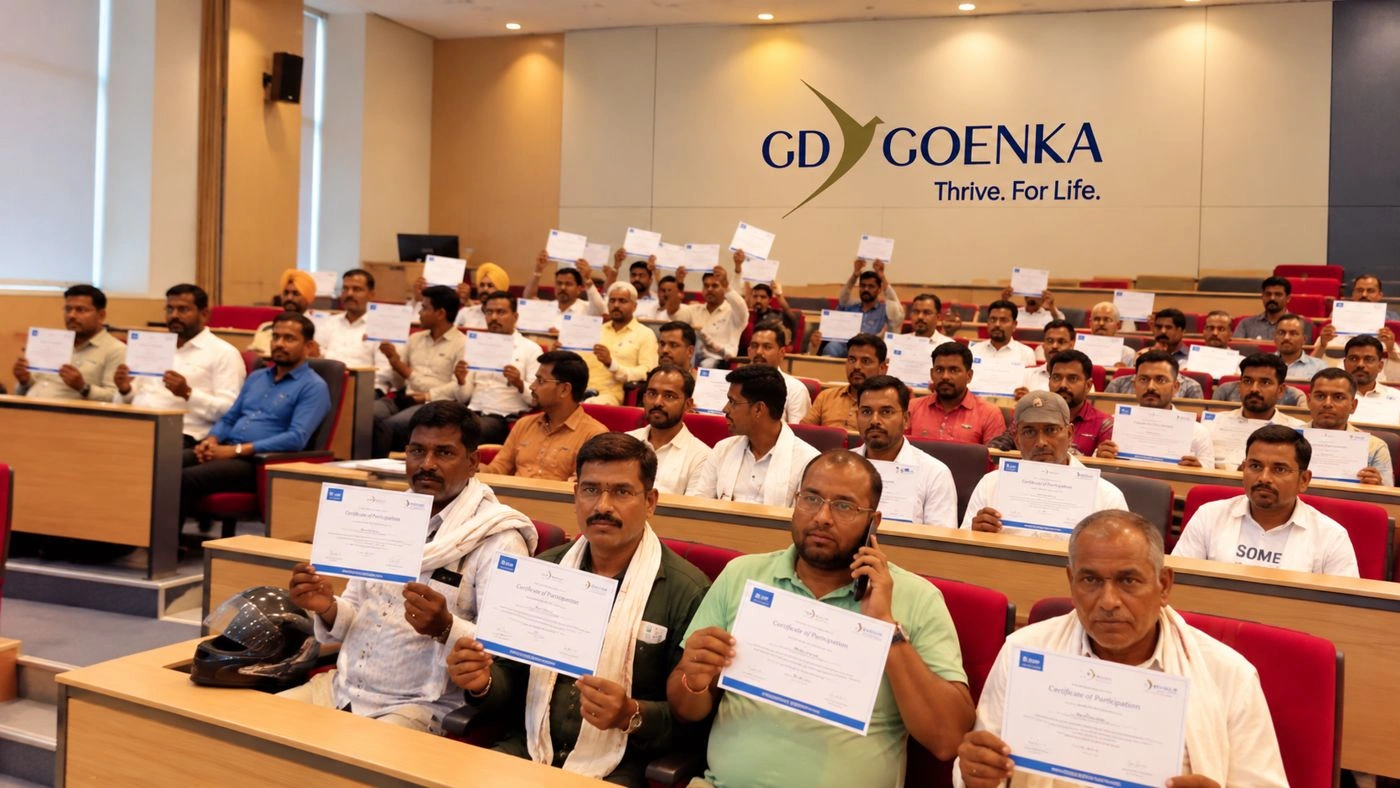
Community learners holding certificates at a skill development programme
Skill Hub learners with their certificates.
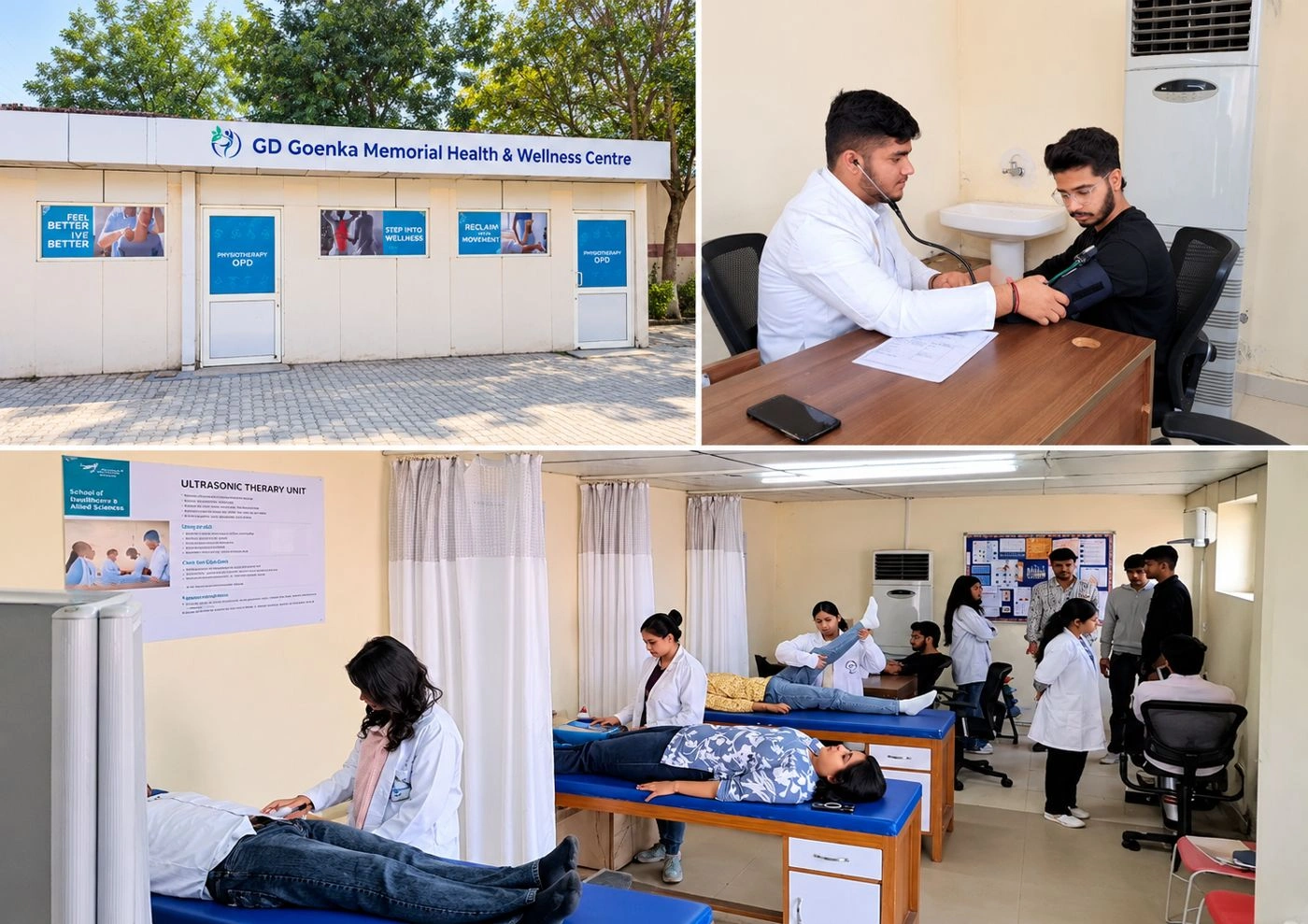
Patients receiving treatment at the Physiotherapy OPD
Physiotherapy OPD.

Indicator 11.2.2

Public access to the library

Free of charge for any member of the public with a visitor ID card: books, journals and subscribed e-resources, read on the premises.
pdf
11.2.2 Library access for the public
pdf

Students of other colleges, researchers, school groups with a teacher and members of the public register at the gate, receive a visitor ID card, sign the Library register and read for as long as the Library is open. Visitors with disabilities can use the Disability Corner and its assistive equipment. Alumni can ask for remote access to our e-resources.

The collection covers engineering, management, design, law, health sciences, hospitality, agriculture, the humanities and education, with DELNET and Shodhganga access and a digital library.

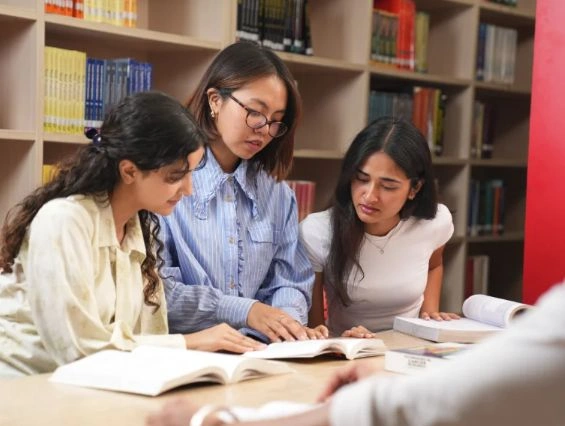
Two students reading at a table in the University library
Library and Information Resource Centre.

Indicator 11.2.3

Public access to exhibitions, galleries and works of art

Free entry to every exhibition held on campus, for its full run.
pdf
11.2.3 Public access to exhibitions
pdf

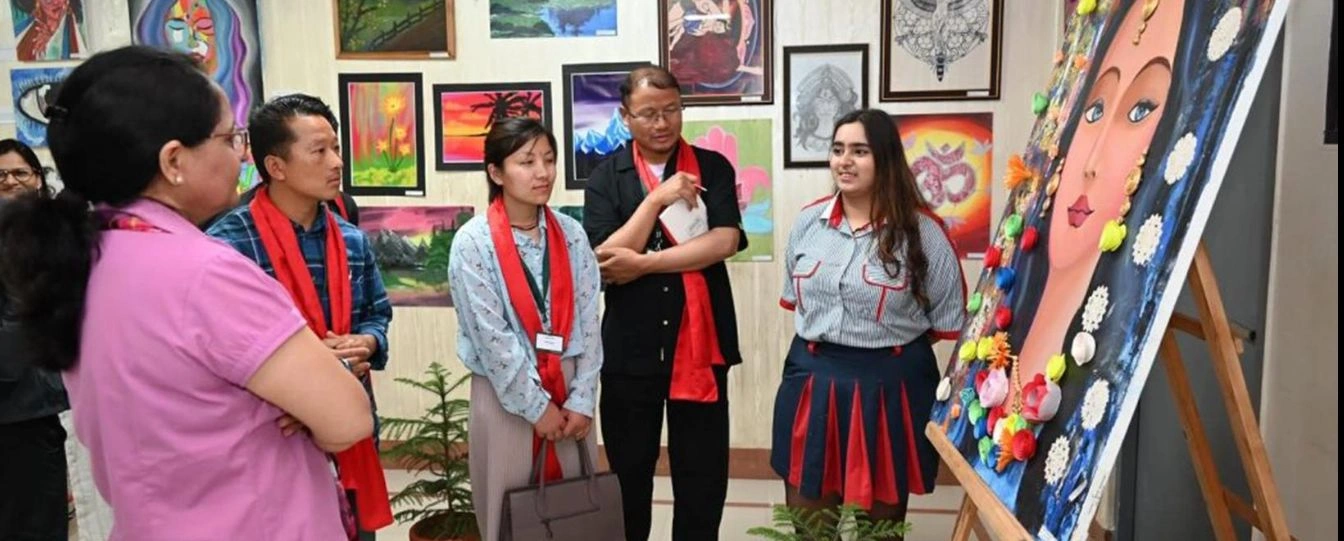
Shilptaru brought artisans from across India to demonstrate their crafts (21–26 October 2024). The Krishi Mela filled the grounds with stalls on seeds, soil and farm technology. Engineering students showed their projects at Tech Titans, the hospitality school and Le Cordon Bleu displayed culinary art, and Utsah marked World Animation Day with student work.

Indicator 11.2.4

Public access to open and green spaces

Free use of our lawns, gardens, walkways and grounds by schools, NGOs, community groups and the public.
pdf
11.2.4 Public access to green spaces
pdf
Access guidelines, clause 8
pdf

About two-thirds of the campus is green cover. Visitors register at the gate for a free visitor ID card; groups also tell us the purpose, size and length of their visit. The spaces are then free to use for nature walks, environmental classes, cultural events, sport and team-building. We ask only that they leave the trees and plants as they found them.

In 2025 the grounds hosted the Krishi Mela, inter-university events, sports days and plantation drives.

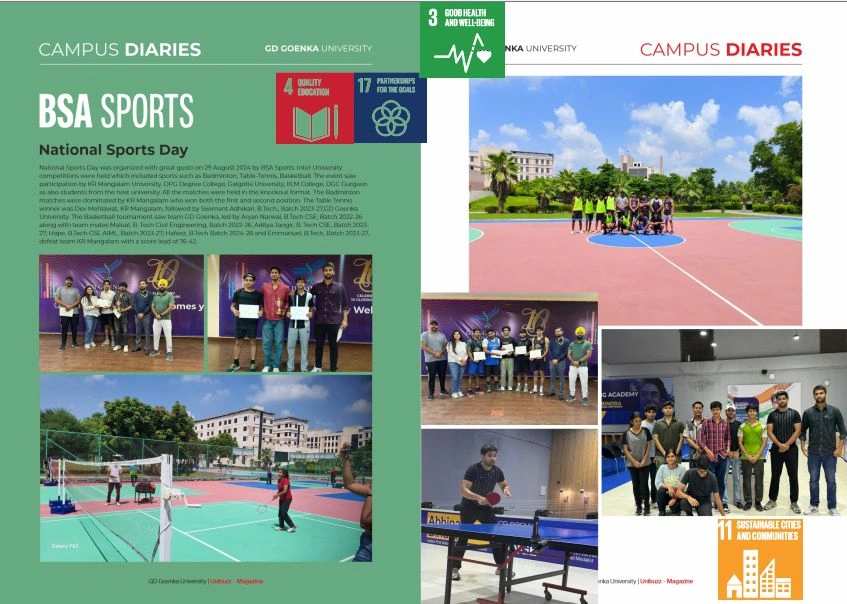
Collage of sports grounds and courts used on National Sports Day
Grounds and courts on National Sports Day.

Indicator 11.2.5

Contribution to local arts: public performances

34 public arts events in the year: 22 live music, dance, theatre, puppetry, storytelling and runway performances, plus 12 public exhibitions and arts competitions.
pdf
11.2.5 Register of public performances
pdf

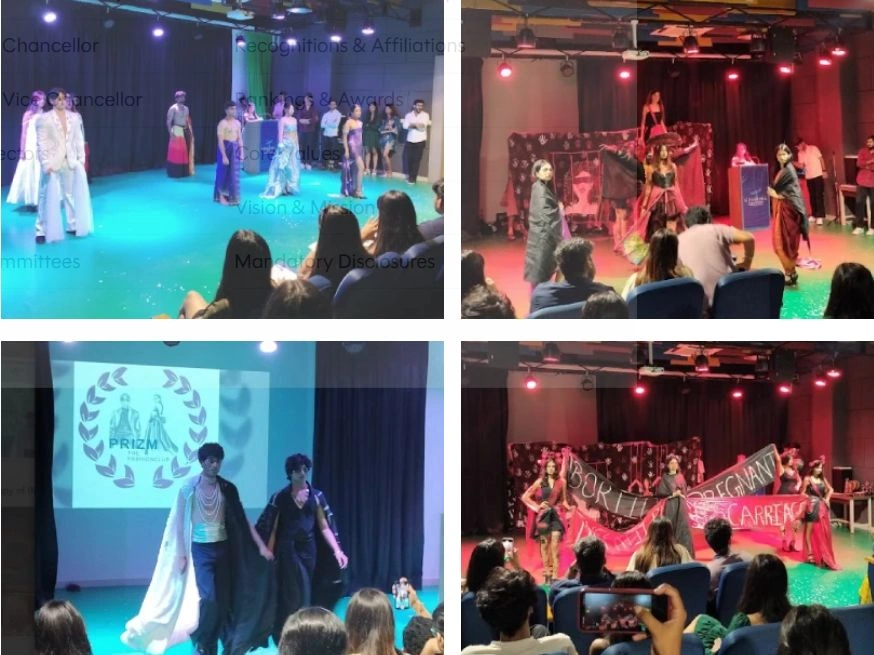
The Music, Dance, Dramatics, Art, Literary and Fashion clubs perform for audiences that include visitors and students from other institutions. The register links each performance to its public report.

Form Examples
Music Rhythmic Raga, Independence Day, Foundation Day
Folk Haryana Day songs, dance and drama
Theatre Inter-University Drama Competition, Bollyday, Act It Out, two nukkad nataks
Puppetry and storytelling Let's Puppet Up, Qissa Kahani Fasana, Mind Mash Open Mic
Dance and runway Momentum 2024 and SGT fest dances, inter-university fashion competition, Plaksha and Damru Fest shows
Exhibitions and competitions Shilptaru, CoverMania, Snap It Right, Redux, Utsah
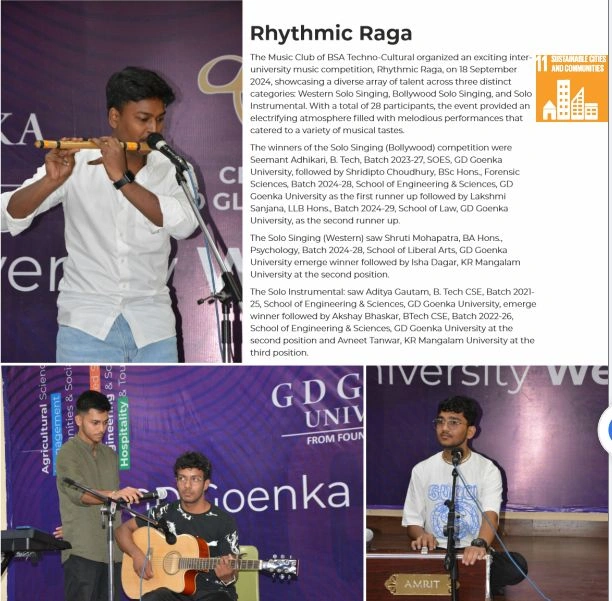
Student singer and guitarist performing at Rhythmic Raga
Rhythmic Raga.
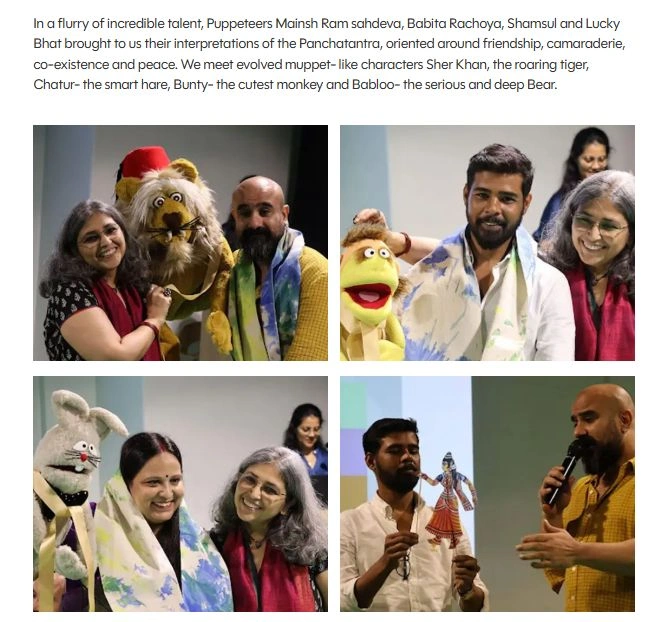
Puppeteer performing with puppets for students
Let's Puppet Up.
Students in costume after performing a street play
Nukkad natak.
Design students on the runway at an inter-college fashion show
Inter-college fashion show.

Indicator 11.2.6

Recording and preserving intangible cultural heritage

Projects at all three levels: local and regional, national, and the heritage of displaced communities.
pdf
11.2.6 Heritage projects
pdf
Local and regionalHaryana Day folk performance; Community Chronicles films and photo essays on women artisans in Delhi-NCR with Katran Studio; Waste to Wonder games and souvenirs drawn from the stories of Bharat Darshan Park.
NationalShilptaru craft residency with artisans from across India; Discover Design in India field study of Bandhani, Rogan and Ajrakh; Rangparampara traditional art.
Displaced communitiesUID School of Design documents Ajrakh, the craft of Kutch's Khatri artisans, who came from Sindh and rebuilt at Ajrakhpur after the 2001 earthquake; Refugee Rapid Relief Pop-ups; Unsettled/Settled Humane Prototypes; Games of Peace.

Indicator 11.3

Expenditure on arts and heritage

The University funds the running of spaces the public can use: the Library and its subscriptions, the auditorium and exhibition areas, the upkeep of lawns, gardens and open spaces, musical instruments and equipment for the clubs, and the cultural programmes listed above. These costs are reported to Times Higher Education as a share of total University expenditure for the 2025 financial year.

Indicators 11.4.1 – 11.4.3

Sustainable commuting and remote work

11.4.1 TargetsCommuting emissions are measured every year in our ISO 14064 Carbon Footprint Report: down from 254 to 225 t CO2e since 2021–22. Target: 152 t CO2e by 2030, 40% below the base year.
  • 11.4.1 Commuting targets
    pdf
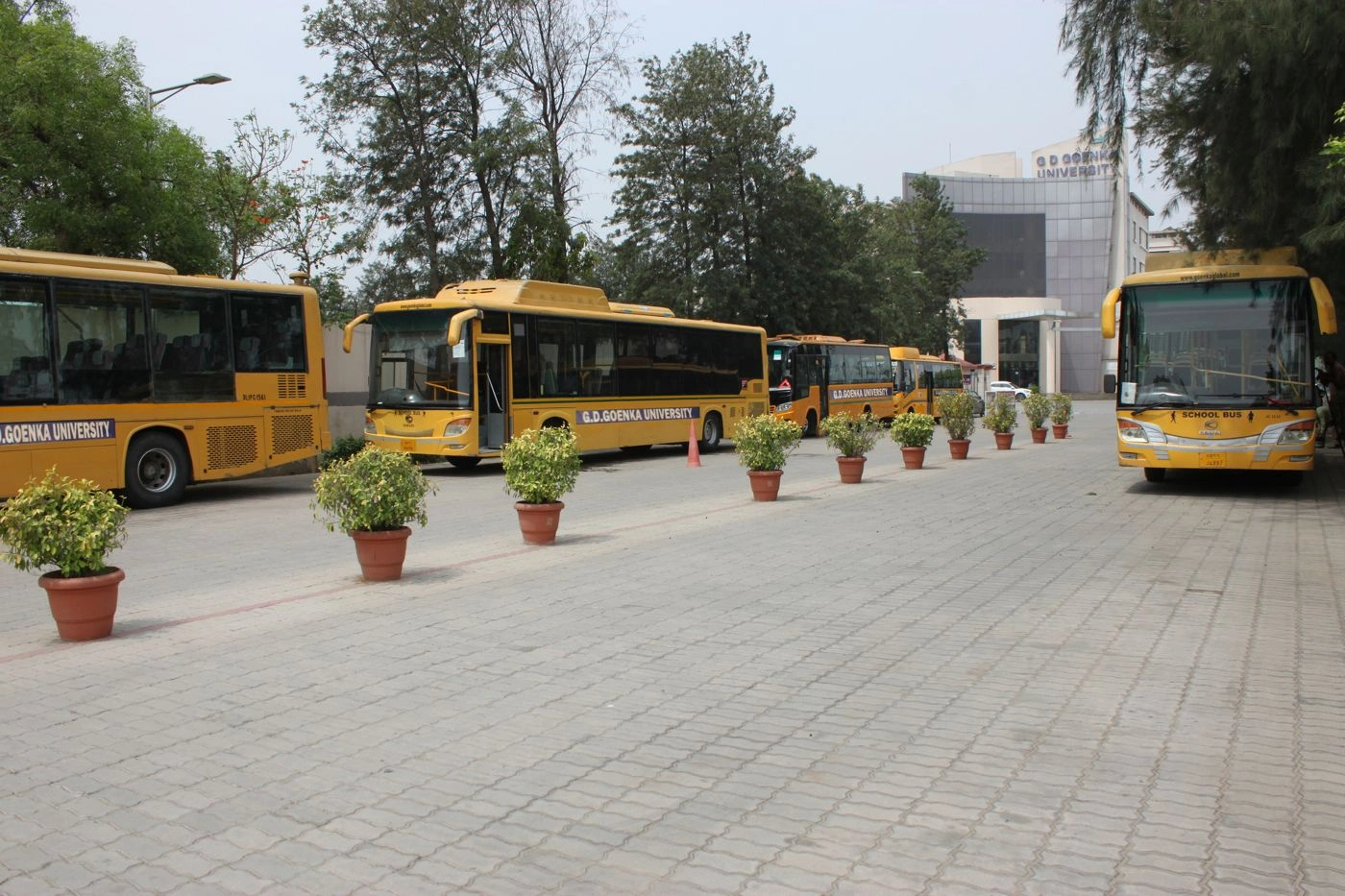
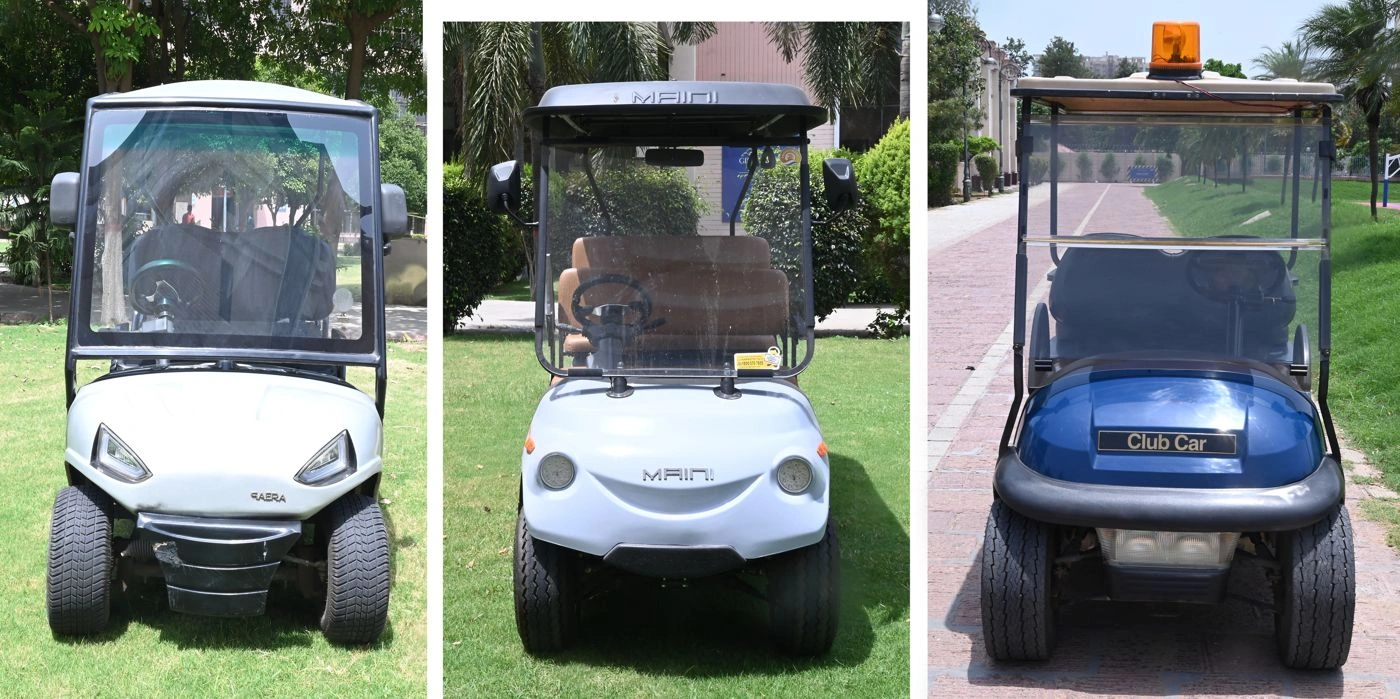
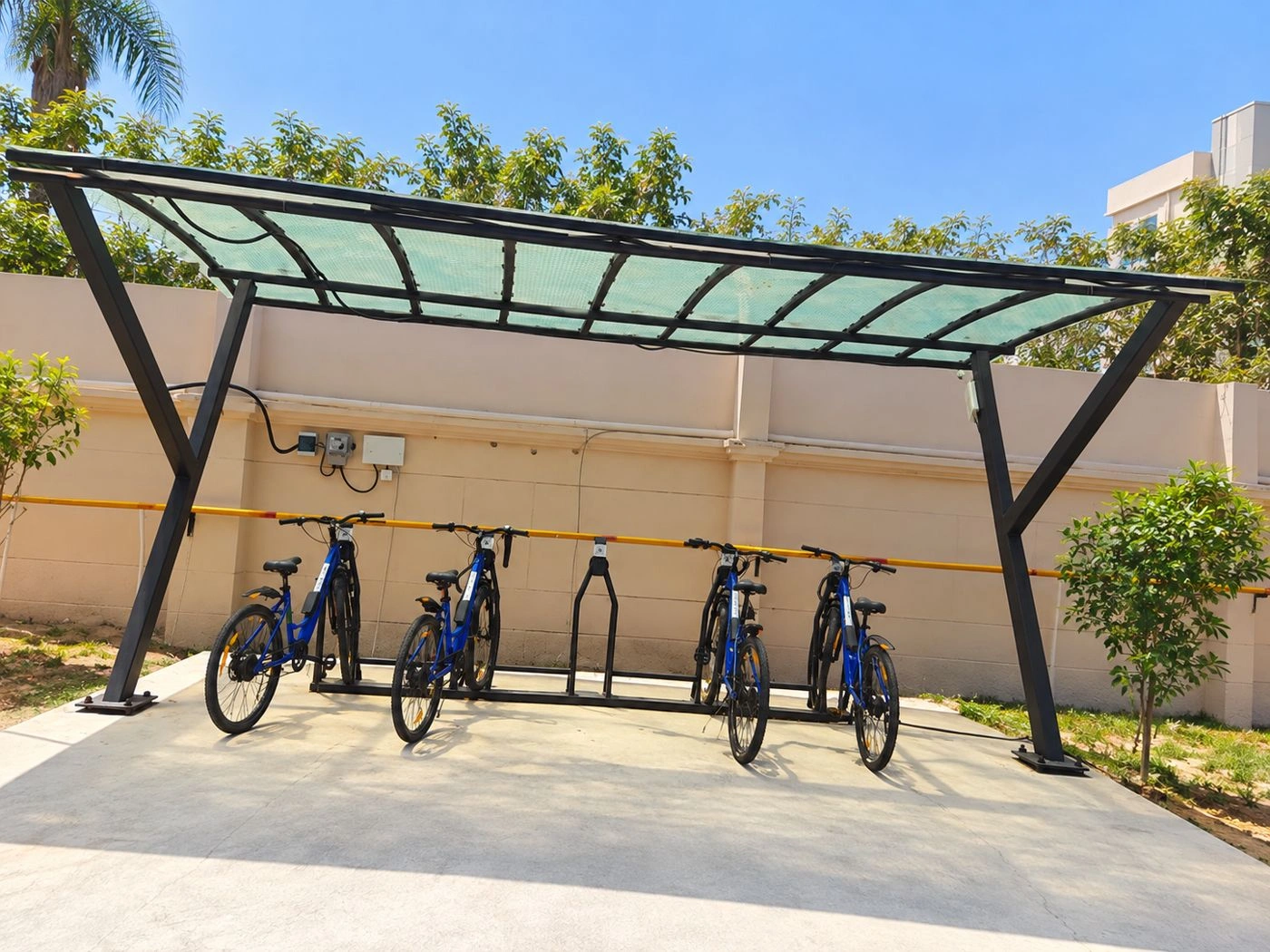
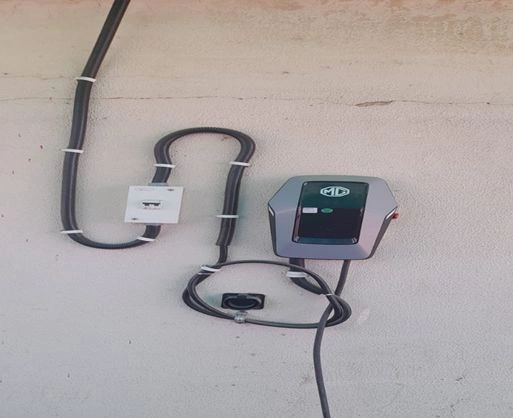
11.4.2 Promotion33 subsidised CNG buses across Delhi-NCR, e-golf carts, cycle stands, an EV charging point, carpooling and staff housing near campus.
  • 11.4.2 Promoting sustainable commuting
    pdf
11.4.3 Remote workingThe Work from Home Policy lets eligible staff work remotely for medical or family needs, from one week to a month at a time.
  • 11.4.3 Remote working policy
    pdf

Indicators 11.4.4 – 11.4.5

Affordable housing for staff and students

Staff: need is assessed against local rents, then subsidised housing in nearby townships or House Rent Allowance as per Government of Haryana norms for private universities.
pdf
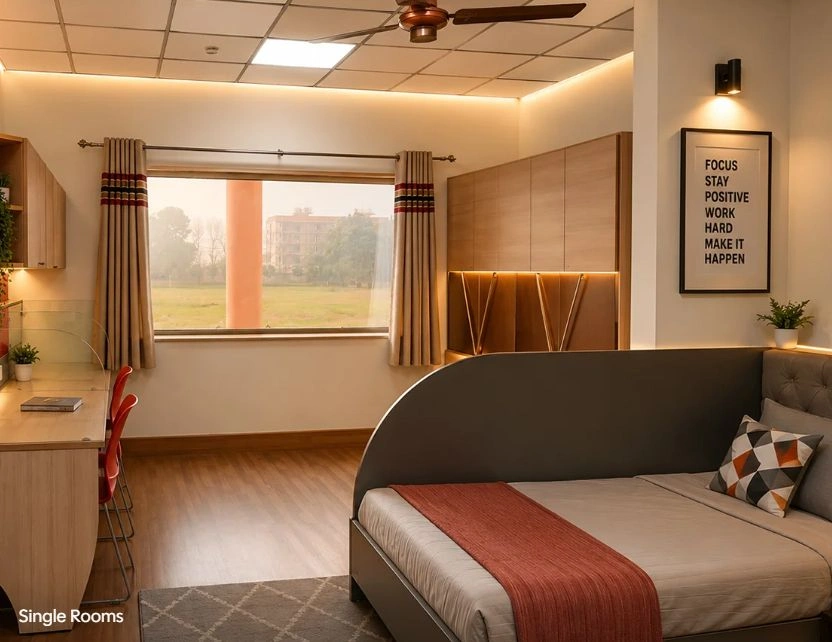
Students: on-campus hostels at several price points, from single rooms to bunk-bed shares, with fees payable in instalments and meals, Wi-Fi, laundry, security and medical cover included.
pdf
11.4.4
pdf
11.4.5
pdf
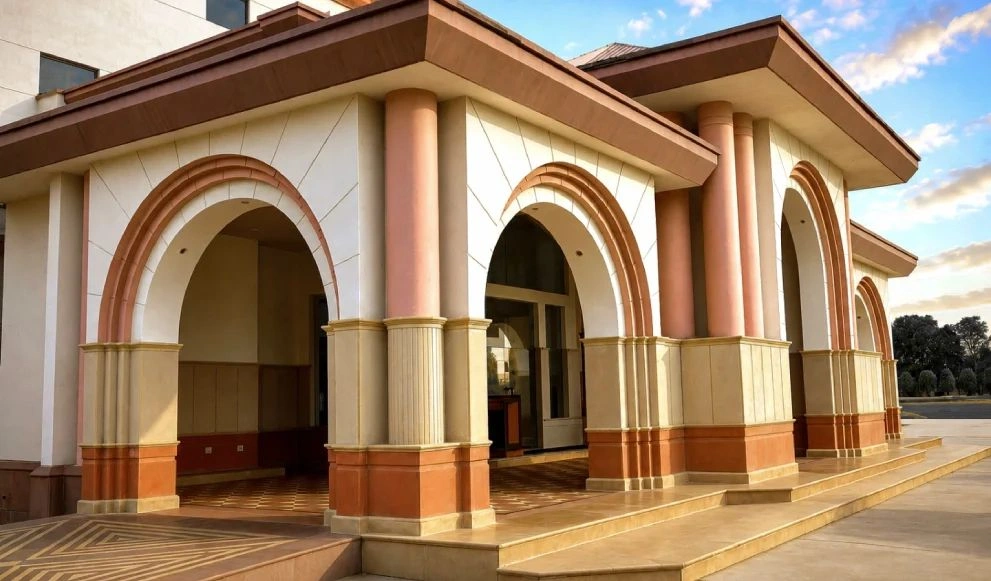
Hostel facilities
Exterior of an on-campus hostel building
On-campus hostel.
Furnished hostel room with bed and study area
A hostel room.

Indicators 11.4.6 – 11.4.9

Campus planning and working with local government

11.4.6 Pedestrian priorityTree-lined paver walkways link every block; parking and vehicles are kept away from classrooms and hostels; ramps and lifts throughout.
  • 11.4.6
    pdf
11.4.7 Local authoritiesGreen belts and road medians in Sector 56 with GMDA; Swachhta Yatra with the Municipal Corporation of Manesar; Krishi Mela with the BDO, Sohna.
  • 11.4.7
    pdf
11.4.8 Building standardsLEED Platinum (LEED v4.1 O+M: Existing Buildings, USGBC); ECBC-compliant LED lighting.
  • 11.4.8
    pdf
11.4.9 Brownfield firstNew needs are met by refitting existing buildings, not by building on green land.
  • 11.4.9
    pdf

A safe, inclusive and resilient campus

How we run the campus like a well-planned town

Safety and securitySecurity staff on duty round the clock, CCTV surveillance and biometric access; fire detection and protection systems, safety audits and regular drills.
Access for everyoneRamps, lifts, handrails and wheelchair-accessible pathways between blocks; a Disability Corner in the Library with Braille material, assistive technology and digital resources.
Health on campusA 24-hour infirmary with doctors and physiotherapists, a free 24-hour ambulance, the GD Goenka Memorial Health & Wellness Centre and the Physiotherapy OPD.
WaterTwo sewage treatment plants, with treated water reused for horticulture and flushing; rainwater harvesting and groundwater recharge pits.
WasteOver 1,200 segregation bins; paper recycled into notebooks for government schools (Green-o-Bin), kitchen waste composted (Farm Pallet), e-waste recycled (Reboot System India), biomedical waste handled by Saahas; polythene bags banned.
EnergyRooftop solar photovoltaic generation, solar panels over parking, about 80% LED lighting under ECBC norms and high-efficiency HVAC.
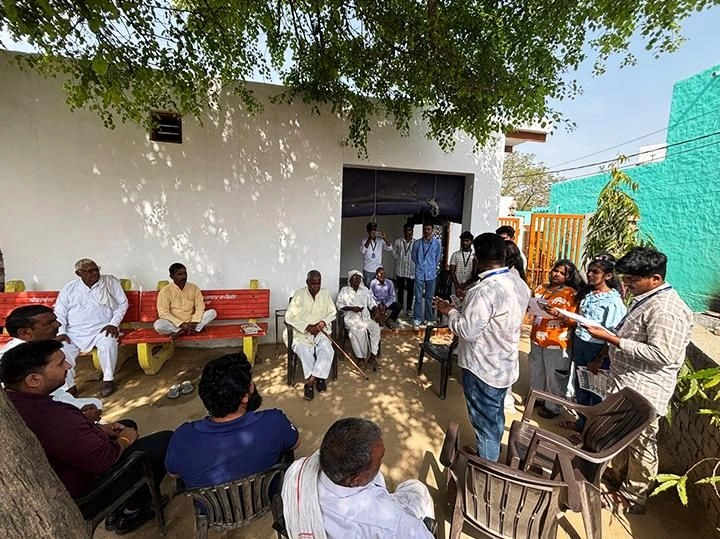
University team meeting residents in a village near Sohna

Working with our neighbours

The University has adopted ten villages around Sohna. Through the NSS, the Legal Aid Clinic and its schools it runs legal-literacy sessions, health check-ups, blood donation and mammography camps, school outreach and the Swachhta Hi Sewa cleanliness drives with local panchayats and the Municipal Corporation of Manesar.

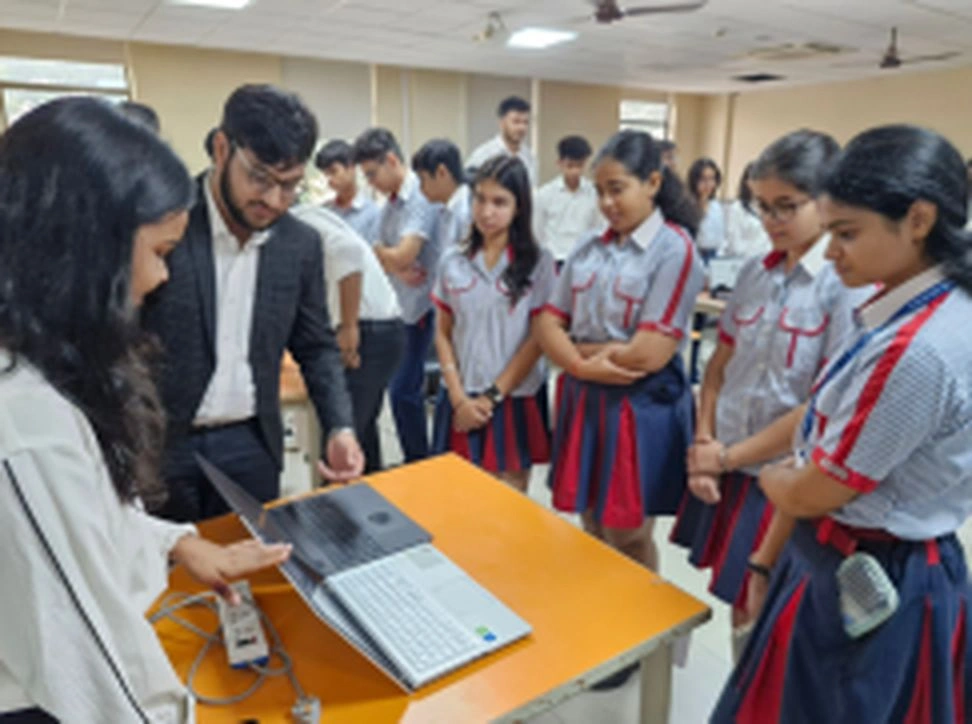
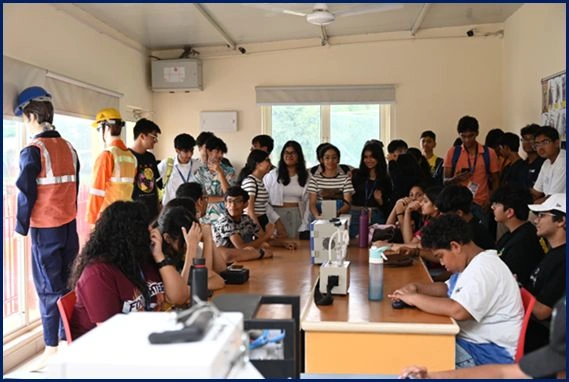
School students in a University laboratory with staff

Skills for the local workforce

The Skill Hub trains electricians, fabricators, masons and contractors with Havells, JSW, JSP and Crompton, and the Kaushal Samwad programme builds communication skills for local learners, all on campus and with industry certificates.

Recognition and priorities

What we have achieved, and where we are going next

Recognition

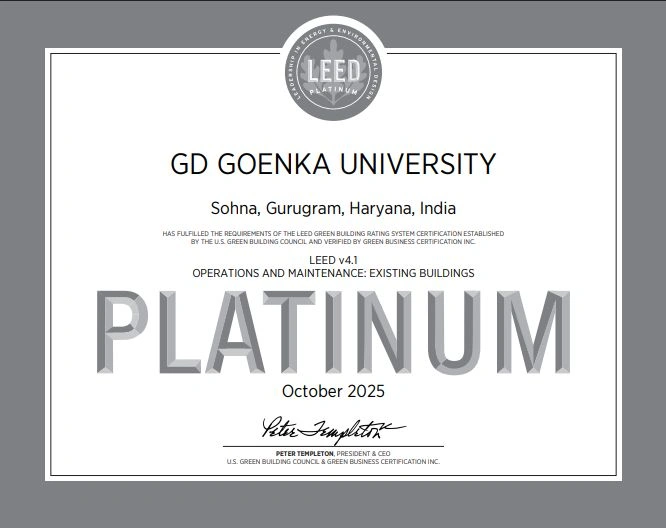
  • LEED Platinum under LEED v4.1 Operations and Maintenance: Existing Buildings (U.S. Green Building Council, October 2025) for energy, water, waste and indoor environmental quality.
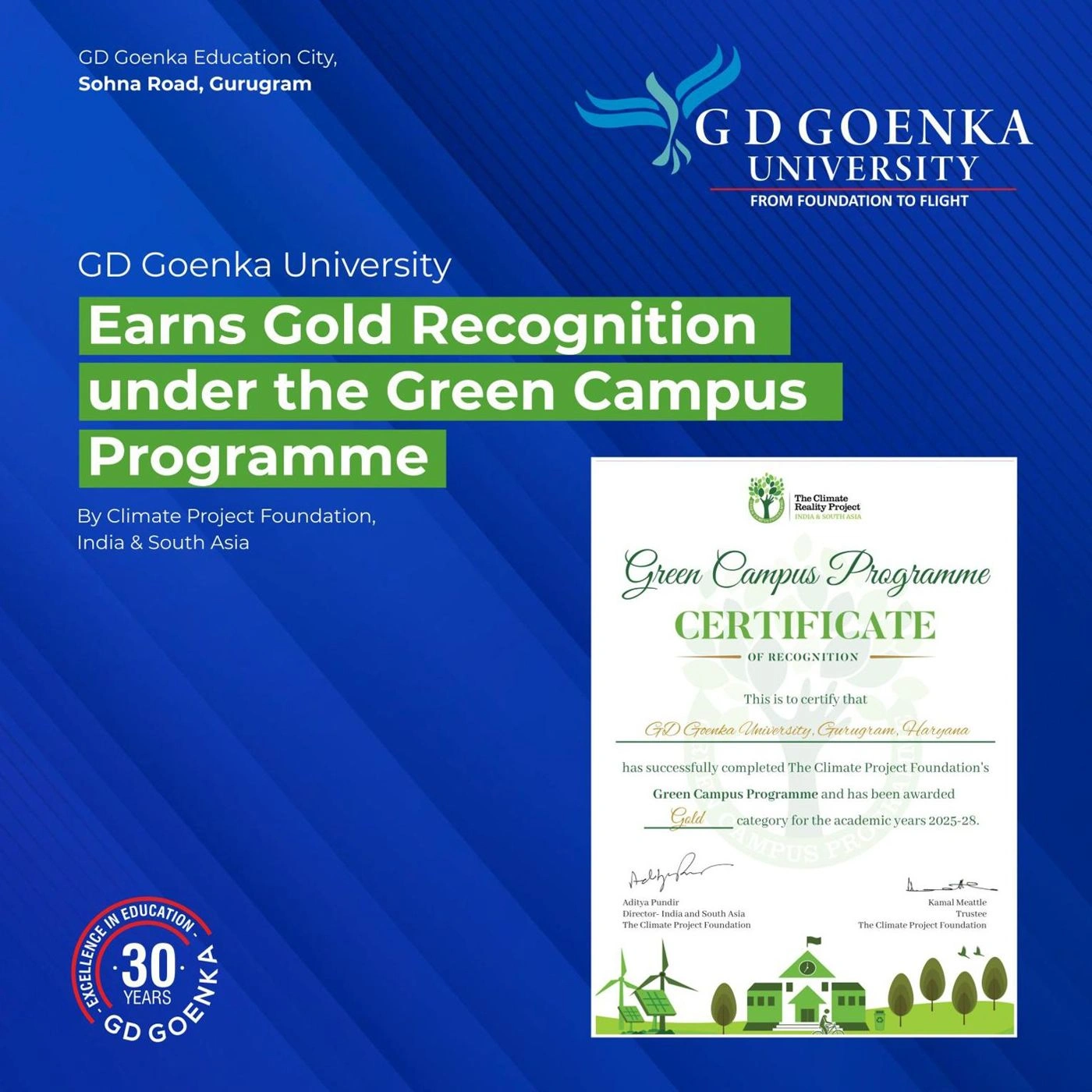
  • Gold recognition, Green Campus Programme of The Climate Project Foundation, India & South Asia, for 2025–28.
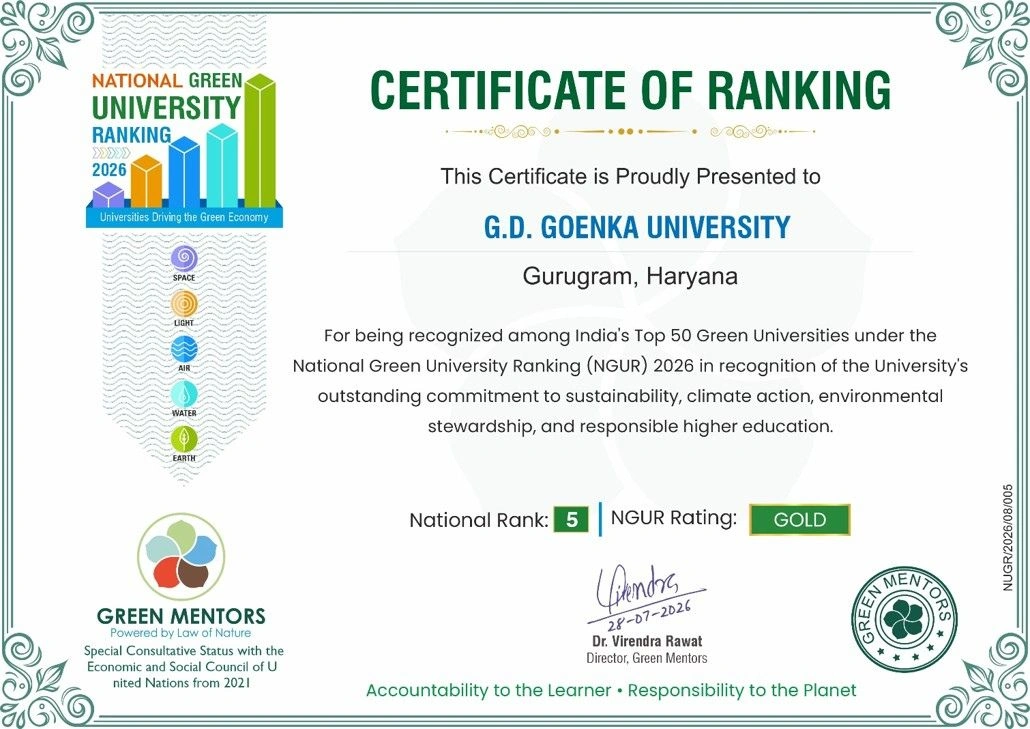
  • National Rank 5 with a Gold rating in the National Green University Ranking.
  • NAAC Grade A+ accredited university.

Priorities to 2030

  • Cut commuting emissions to 152 t CO2e by 2030, 40% below 2021–22.
  • More renewable energy and energy-efficient equipment on the way to a carbon-neutral campus.
  • More rainwater harvesting, water conservation and wastewater reuse.
  • Less waste at source, with more segregation, composting and recycling.
  • Protect existing green areas and expand planting and biodiversity.
  • Bike lanes, more cycle parking and EV charging stations.
  • Wider partnerships with neighbouring communities on environment, legal aid, health and education.
LEED Platinum certificate for GD Goenka University
LEED Platinum, October 2025.
Gold recognition under the Green Campus Programme
Green Campus Programme, Gold, 2025–28.
National Green University Ranking certificate showing national rank 5 with Gold rating
National Green University Ranking: Rank 5, Gold.

Policies and Evidence

Every SDG 11 document on this page, listed by indicator.SDG 11 Evidence Index (PDF)

Policies

Indicator evidence

Indicator Document
11.2 Support of arts and heritage
11.2.1 Public access to buildings
11.2.2 Public access to the library
11.2.3 Public access to exhibitions, galleries and works of art
11.2.4 Public access to open and green spaces
11.2.5 Register of public performances
11.2.6 Recording and preserving intangible cultural heritage
11.4 Sustainable practices
11.4.1 Measuring and setting targets for sustainable commuting
11.4.2 Promoting sustainable commuting
11.4.3 Remote working for employees
11.4.4 Affordable housing for employees
11.4.5 Affordable housing for students
11.4.6 Pedestrian priority on campus
11.4.7 Working with local authorities
11.4.8 Sustainable standards for buildings
11.4.9 Building on brownfield sites

Related goals

SDG 3 Good Health and Well-beingSDG 4 Quality EducationSDG 6 Clean Water and SanitationSDG 7 Affordable and Clean EnergySDG 13 Climate ActionSDG 17 Partnerships for the Goals

Visit or use our facilities

SDG and Sustainability Cell, GD Goenka University, GD Goenka Education City, Sohna Road, Gurugram, Haryana 122103 · sustainability@gdgu.org

University reception +91-9910000062 · +91-9818171304 · info@gdgu.org
Sports facility bookings sports@gdgu.org
Website www.gdgoenkauniversity.com
Admission Enquiry